A children's book my kids and I made one summer. The story took fifteen minutes. The rest of it took a year. Worth every part.
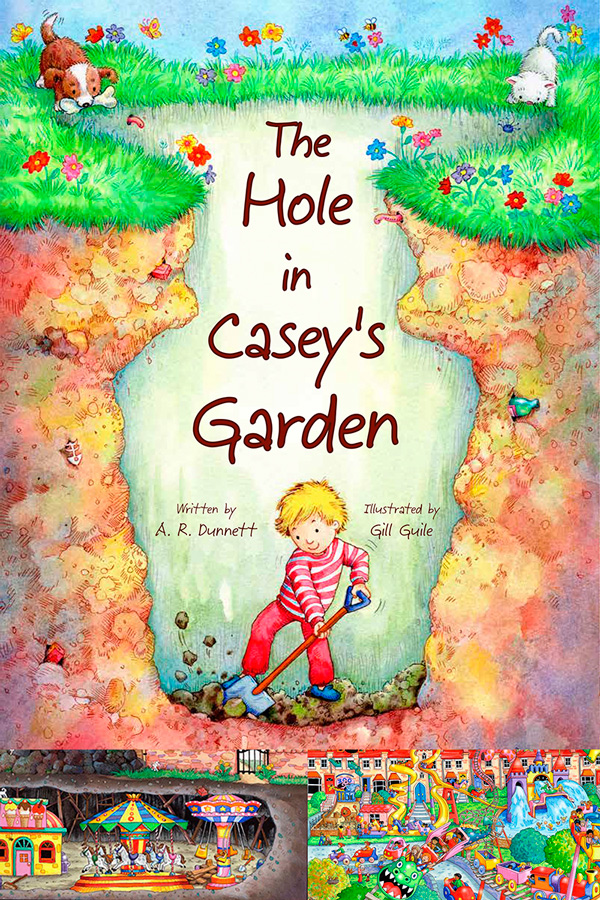
A children's book my kids and I made one summer. The story took fifteen minutes. The rest of it took a year. Worth every part.
If you'd rather hear the story than read it, I made a short film of me reading the book aloud, page by page.
For everyone else, what follows is the story of how a six-year-old's bookshop-made title and a five-minute idea from a four-year-old turned into an actual book on Amazon.
The summer of 2018 was a long one. I was half an author, half a stay-at-home dad, and I'd had the idea I could be a slightly better version of both if I just committed.
The plan was simple: my daughter Alba was six, full of opinions, and would shortly come home from school for the entire summer. I would not, this year, let that derail my work. We would, instead, do my work together. The two of us would write a children's book. A proper one — finished, illustrated, printed, sold. The kind that ends up in someone else's house.
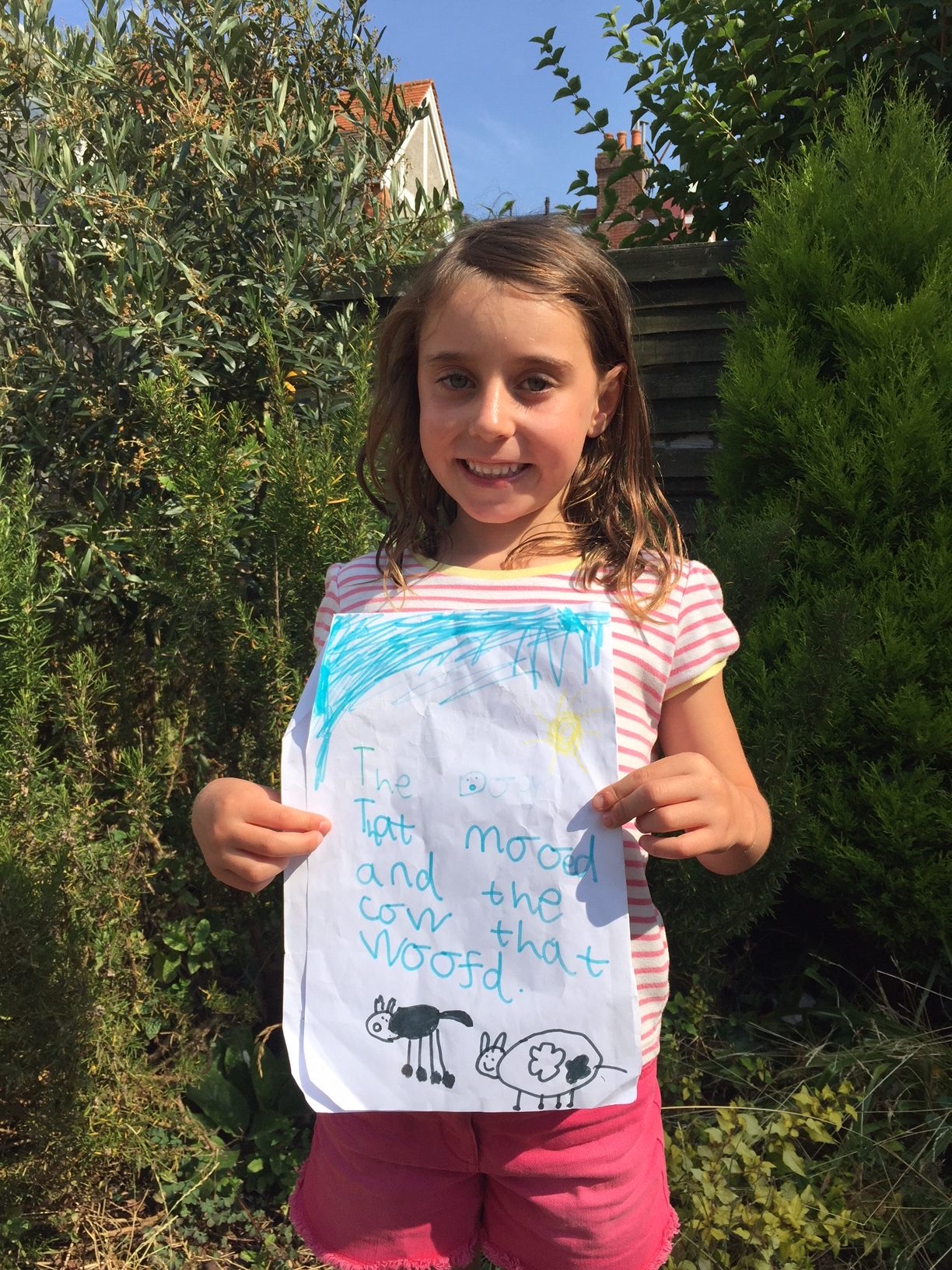
The title came home with her. She'd been playing at a shopkeeper game where she made imaginary books, and one of them was called The Dog that Mooed, and the Cow that Woofd. I read it back to her, thought it was marvellous, and from there the project basically demanded to exist.
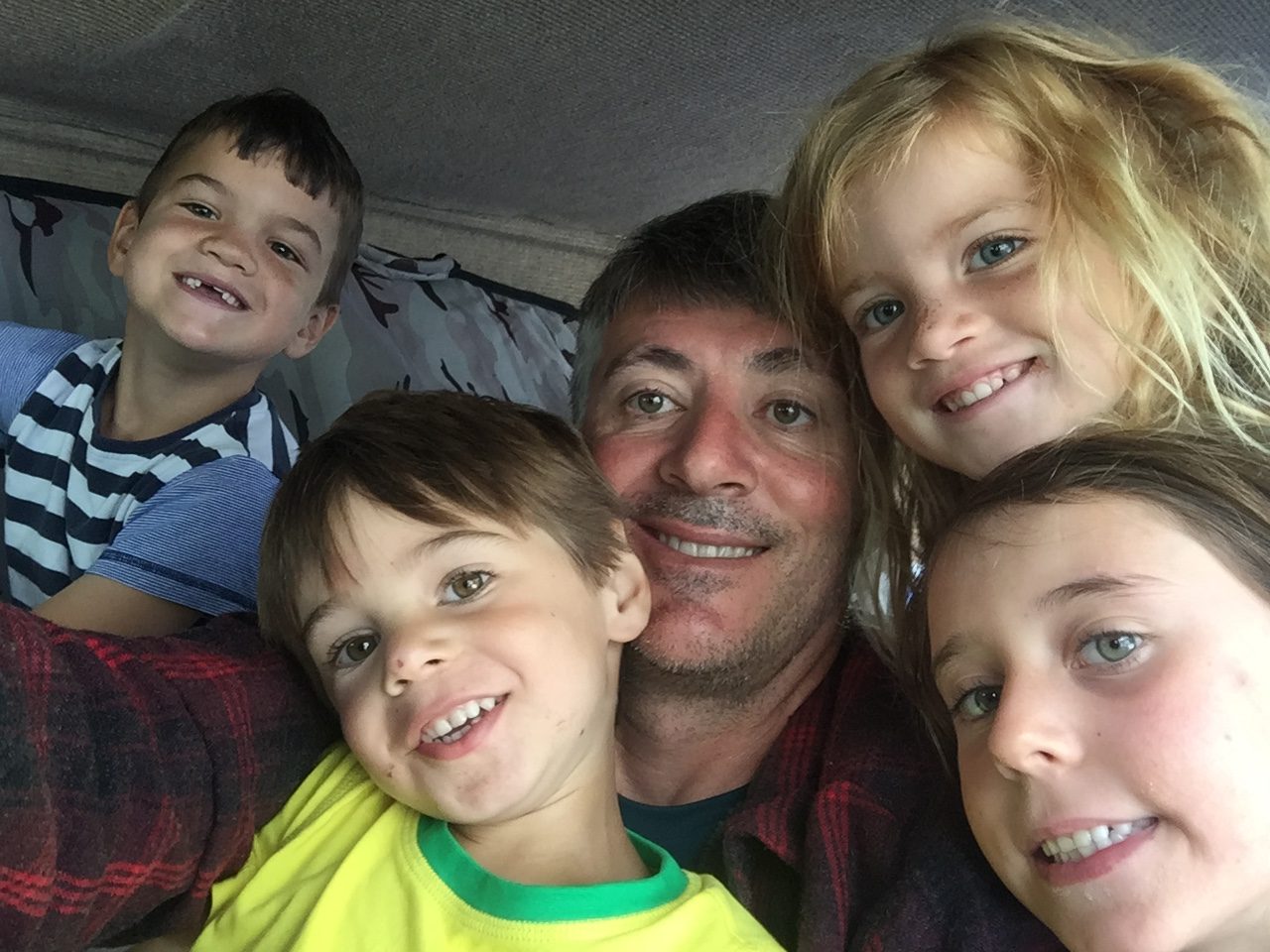
There was, of course, no plan for what would happen to her four-year-old brother Rafa during all this. Second-child syndrome and all that. He would, in time, prove to be the most important person in the project. But we didn't know that yet.
It turns out a children's book has nearly all the structural beats of an adult novel, just compressed into 800 words.
I'd been reading a lot, that year, about what stories actually are when you strip them back. The boring grown-up version: a want, then obstacles, then an all-is-lost moment, then a resolution that uses the character's flaws against the problem, then a restoration of the world. Children's books obey all of this, plus three rules of their own: there's almost always a small moral, the small character usually outwits the big one, and at some point something absurd happens, like a digging dog pulling a full London Underground train out of the ground.
So we did the research. We re-read, for the thousandth time, our favourites — anything by Julia Donaldson, the Little Bear books, Sandra Boynton, the Bear Hunt, the dog that digs. We sat down at the kitchen table and tried to take Alba's title and turn it into the kind of story she liked reading. Most of this was done at a French campsite in the pouring rain, with quite a lot of coffee, fairly regular interruptions for moules frites, and Alba's full 45-minute attention span deployed in shifts.
The story we came up with was this. A five-year-old called Lola Jones lives next to a high wall. Nobody's allowed past the wall. (We need a want and a forbidden thing.) Lola goes anyway, by building a sugar-fuelled jumping rig out of a trampoline and a packet of biscuits, and on the other side she finds a farm full of mixed-up animals — a dog that moos, a cow that woofs, a beaver mixed up with a golden retriever — being run by a scientist who is about to mix Lola up, too. (Obstacles, escalation.) The animals, who Lola has been kind to, rescue her instead of the scientist. (All-is-lost, resolution. Plus small-beats-big.) Everyone unmixed. (Restoration.)
It is, written out like that, almost worryingly thin. Then again, plenty of things are.
Halfway through all this, Rafa noticed he was being left out and made a small, decisive intervention.
He came up with his own title in about five minutes: The Hole in Casey's Garden. It was, he explained, based on a bucket-and-spade argument he'd had with a friend. The friend's hole, he felt, had been overrated. As a peace-keeping move I told him I'd write him his own story. I sat down and did it in fifteen minutes. The protagonist is a boy called Casey. He digs a hole in his garden one night while his parents sleep. The hole turns out to be full of rollercoasters and ice cream factories and water slides. It is a quiet, near-perfect children's book idea, and at the time I thought it was a throwaway.
I tested both books on the neighbourhood children. The Dog that Mooed and the Cow that Woofd was a properly engineered rhyming-verse story by a man who had thought hard about structure. The Hole in Casey's Garden was a fifteen-minute peace offering to a four-year-old. I assumed the verse would win.
It did not. Every single child wanted Casey's Garden, again. And again. And the lesson — slightly painful, slightly liberating — was that the fifteen-minute version hadn't really taken fifteen minutes. It had taken several years of reading picture books out loud, every night, to two small children. Most of the craft happens before you sit down. Once you've absorbed enough, you stop having to try.
I decided to publish both. I'd find an illustrator for both. They'd come out together. This, like several other things, did not entirely go to plan.
The illustrations were the part of the project I was most excited about. They were also the part nobody had warned me how much they cost.
I'd briefly considered having the kids do the illustrations themselves. Several kind people on the internet suggested it. I held a couple of Alba's drawings in front of me, considered them seriously, and decided no — she was a six-year-old. Her people had three fingers and triangular hair. The book would look like a homemade book. I wanted it to look like a book.
So I started writing to illustrators. The good ones get a lot of mail, mostly from people who have no idea what they're asking for. I worked out, slowly, what I was asking for. Then I had to explain the costs to Alba, who was operating on a budgetary system I'll call ice cream currency. One ice cream is one euro. Five hundred ice creams is rather a lot of ice creams. By the time I'd worked out we needed two books illustrated, the answer was somewhere north of a freezer's worth.
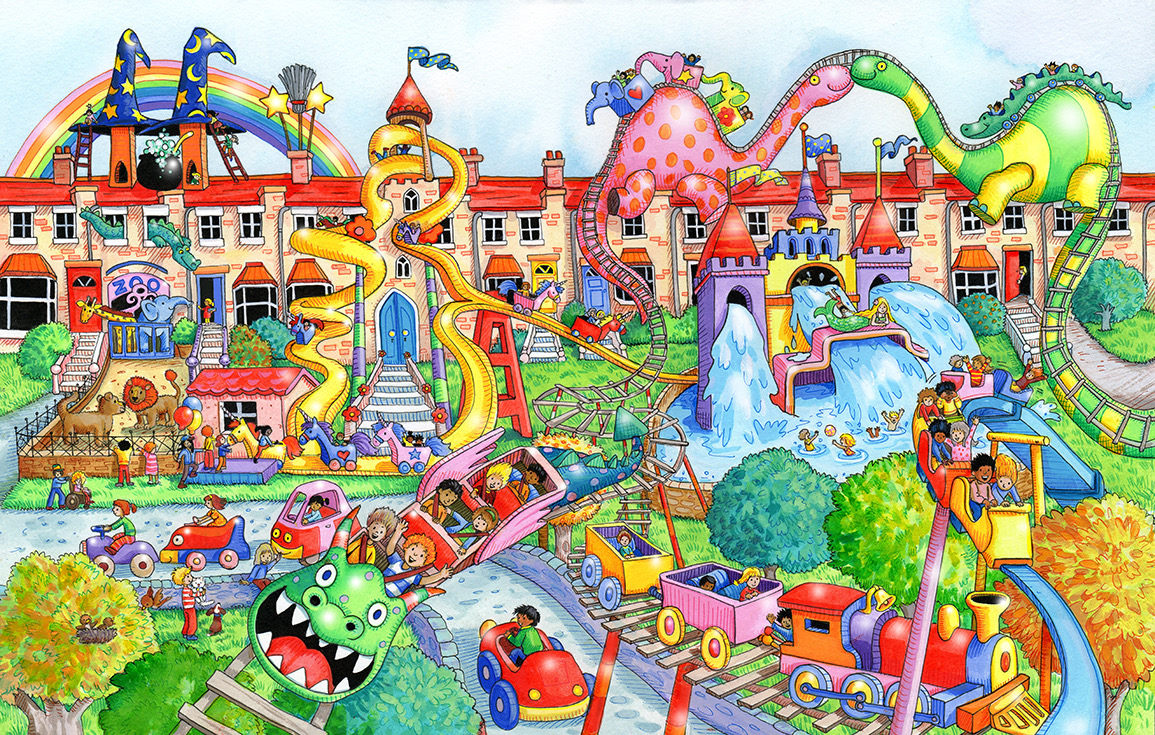
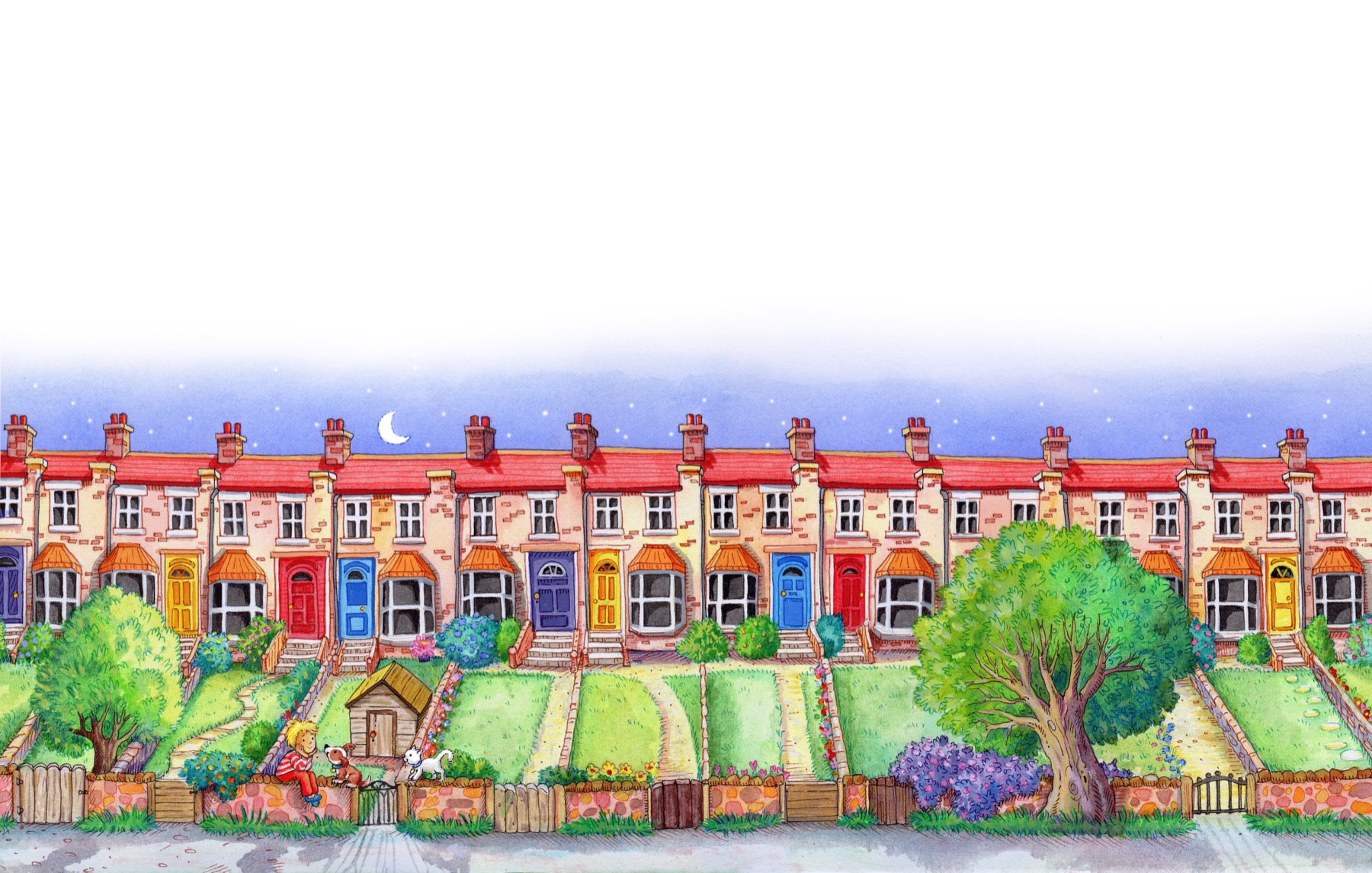
For Casey's Garden, the answer turned out to be Gill Guile. She has illustrated more than six hundred children's books over a career that started a long time before mine did, and her style — warm, slightly old-fashioned watercolour with a lot of detail per inch — matched what was in my head almost exactly. We agreed she'd do Casey first. Alba's book, the rhyming one with the mixed-up animals, would have to wait for a second illustrator. It is, as I write this, still waiting.
We did want the kids' own work in the book somewhere. We just had to find a way to make their work look intentional, rather than messy.
The compromise was the endpapers — the printed sheets at the front and back of a book, just inside the cover. (I learned the word endpapers during this project, and have been using it ever since to feel professional.) The kids' brief: design what's inside the front and back covers.
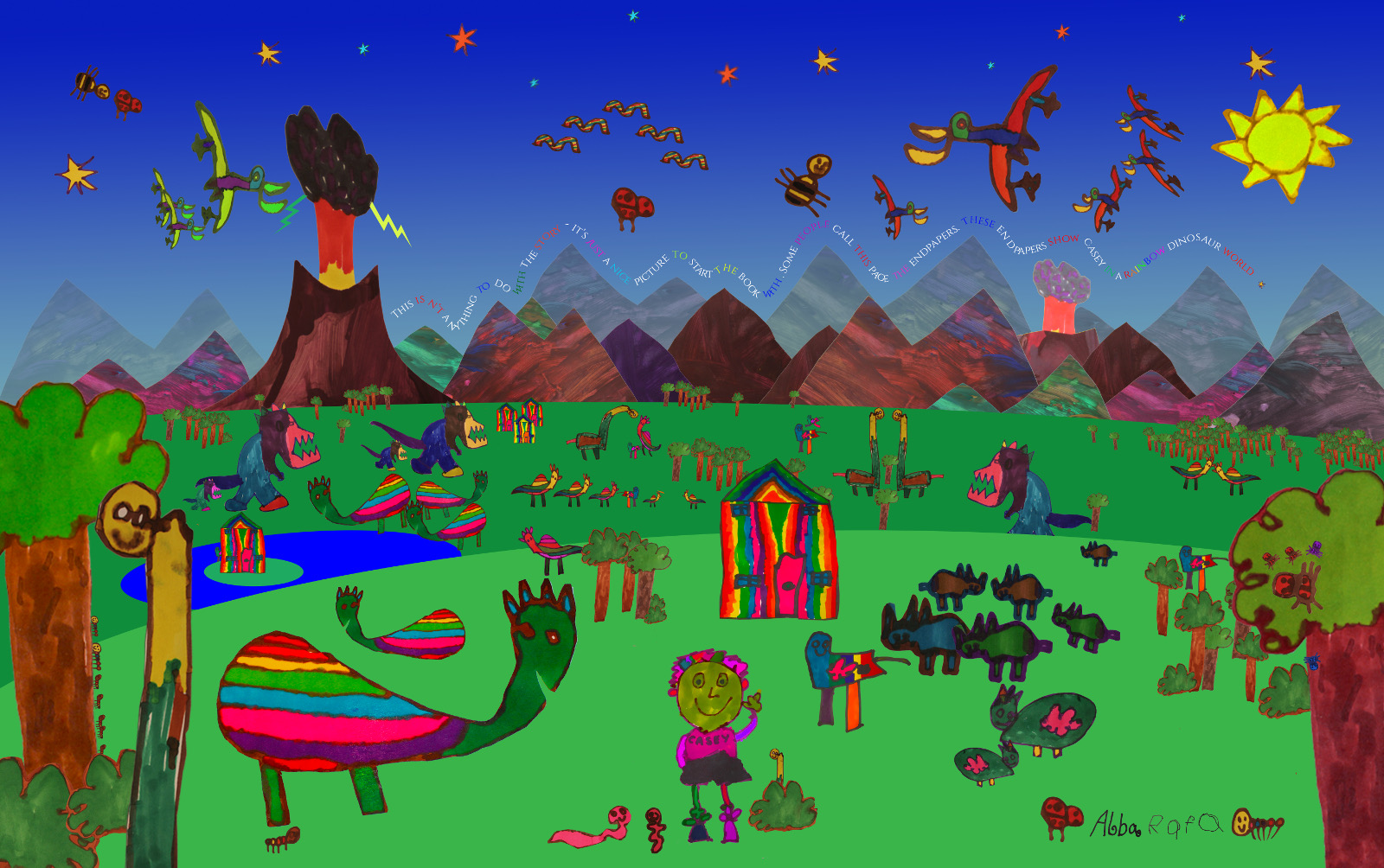
Their first idea was a thing they called Rainbow Dinosaur World. The execution involved a lot of paint, water, and merging colours, the way watercolour does. The paper soon went soggy, then transparent, then the whole thing fell apart. There was a brief period of tears, then a much longer period during which I figured out that we could photograph each individual dinosaur, drop them into Photoshop, recolour and duplicate them, and assemble the World from a handful of well-photographed parts. Almost all of which the kids did themselves, supervised. The result is the rainbow-dinosaur-coloured swirl you see if you ever crack open the actual book.
The bit nobody warned me about. Self-publishing a thriller is one thing. Self-publishing a full-colour softcover children's book is a separate sport entirely.
By this point I'd recruited a friend of mine, Rob, who'd designed the covers on a few of my novels, to handle the book layout itself. Once Gill's illustrations and the Rainbow Dinosaur endpapers were ready, Rob put the whole thing together while I tried to remember what writing an adult thriller felt like.
Then came the long-tail part of the project — production quotes from printers in China, shipping manifests, warehouse paperwork in the United States, the question of who was going to physically pack and ship the book when somebody on the other side of the Atlantic ordered a copy. I had told the kids the book would arrive in time for Christmas. It did not.
Eventually all of it did happen. The book was printed in China. The cases were shipped to a warehouse in the United States. The listing went up on Amazon. The author copies arrived in our living room. The kids signed several of them, badly, with felt-tip pens.
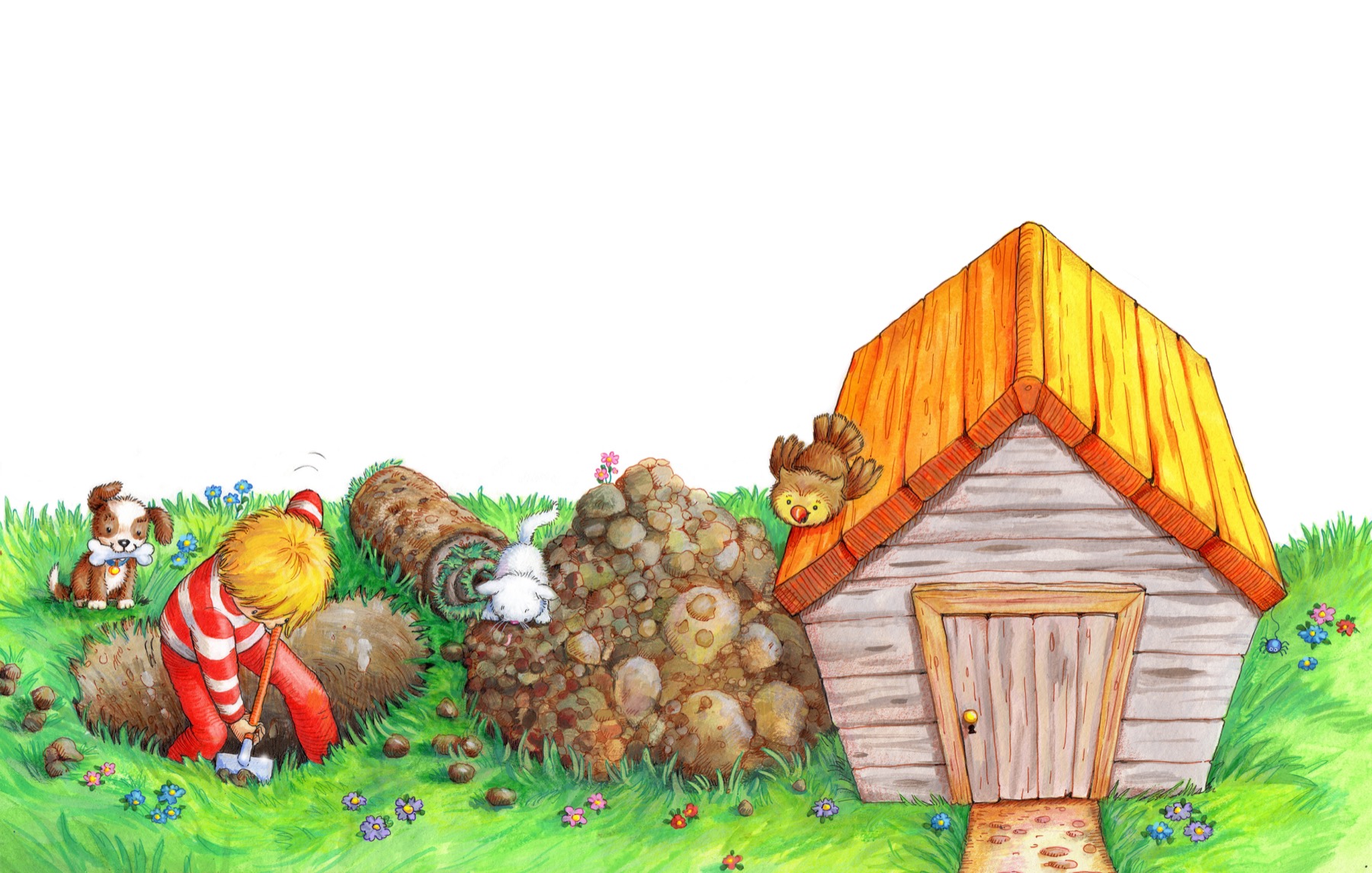
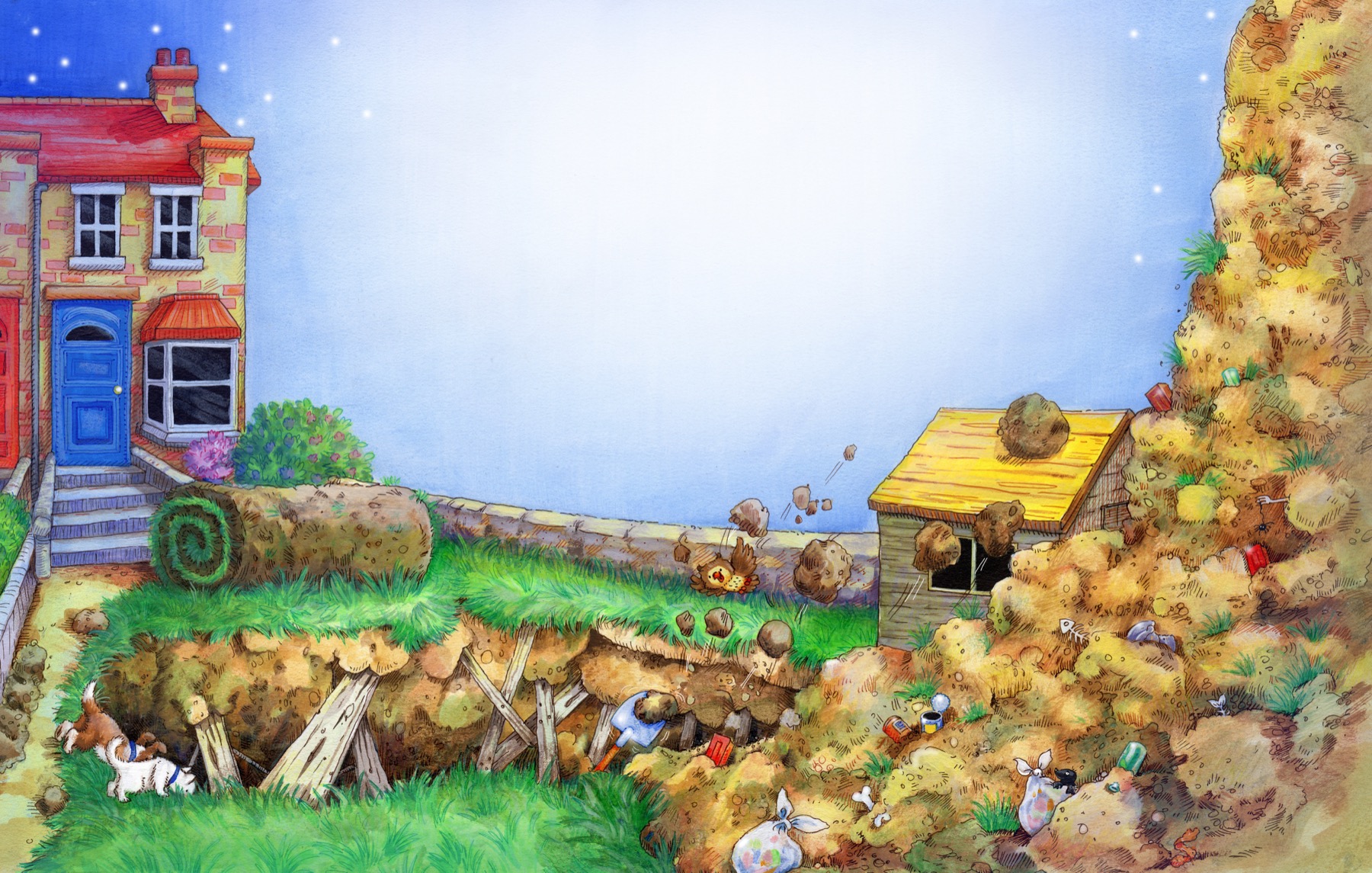
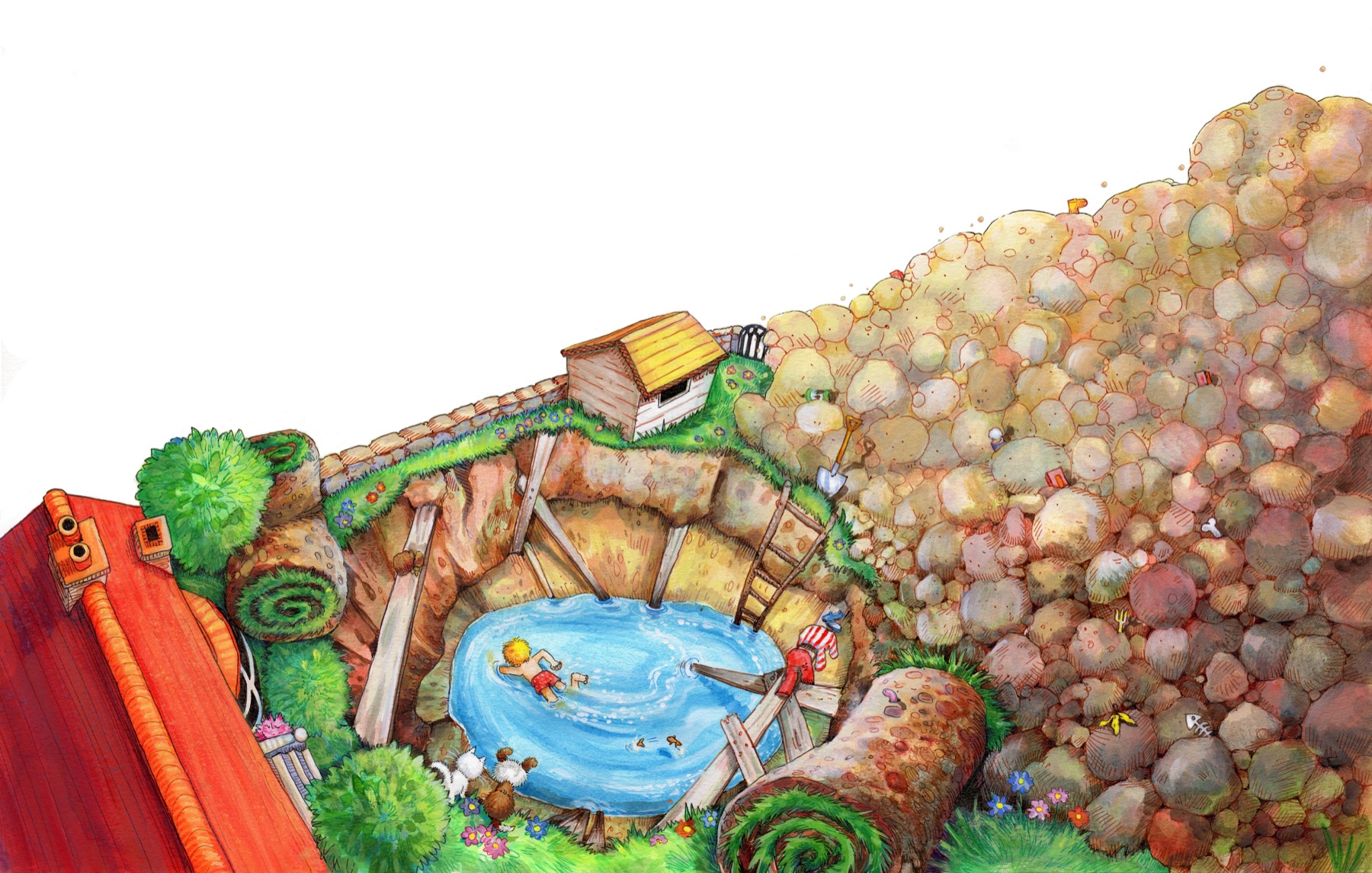
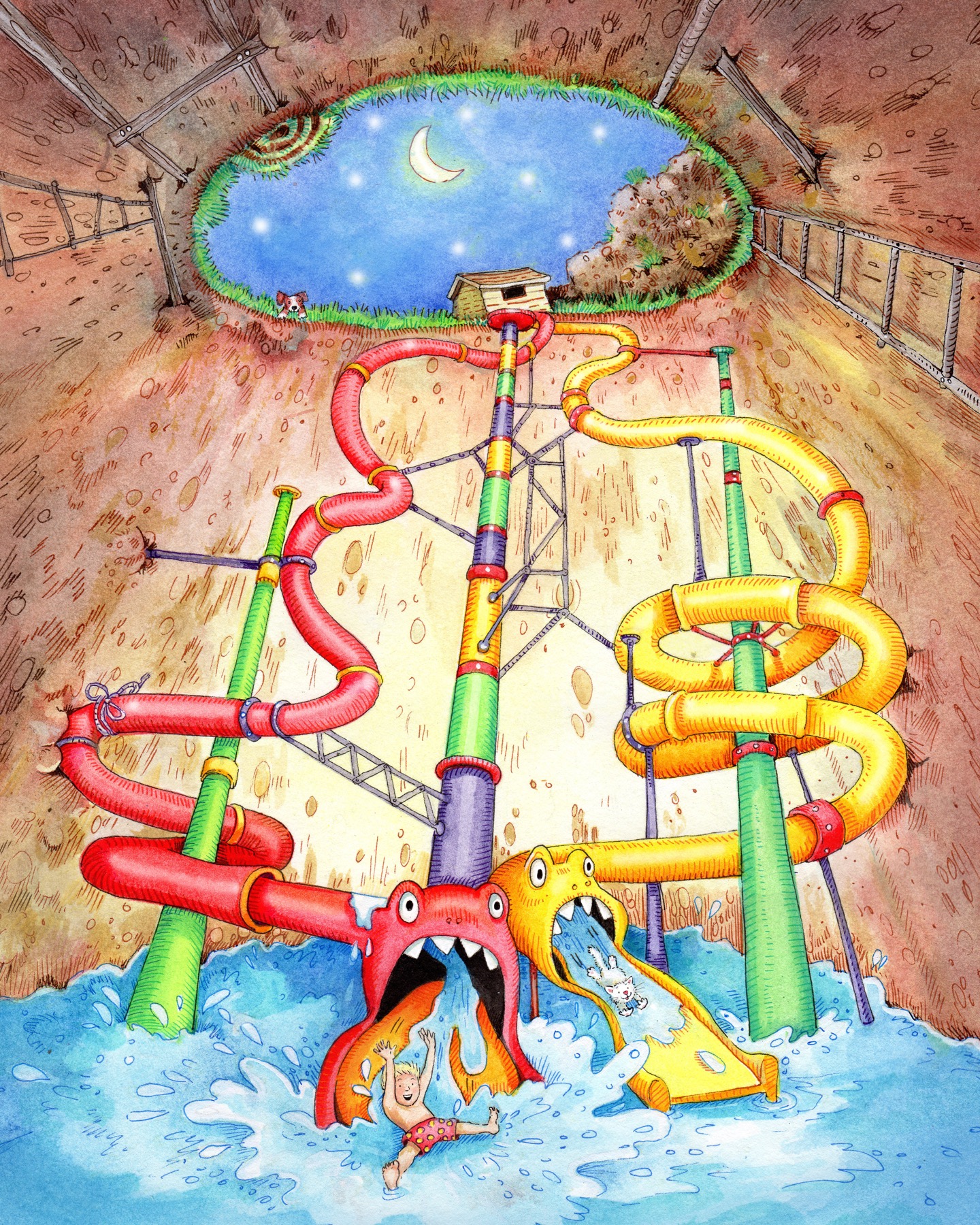
Five double-page spreads from inside the book — Gill Guile's watercolour at full bleed.
Written in real time across 2018, as the book was being made. Five posts, the order they went up.
Full-colour softcover, illustrated throughout by Gill Guile. Currently on Amazon US. Royalties go into the kids' ice-cream fund.
Buy The Hole in Casey's Garden →